


The Myth of “Attention Span”: Rethinking What Engagement Really Looks Like

Updated: Jul 23
In conversations about aging and dementia, the phrase is often heard:
“Their attention span just isn’t what it used to be.”
It is typically offered with kindness. Sometimes with resignation. Almost always with certainty.
Yet what appears to be shortened attention is frequently something more specific: slower processing speed, cognitive fatigue, or a mismatch between the design of the material and the needs of the reader.
Those distinctions matter.
Attention is the capacity to remain engaged with something meaningful. Processing speed is the time required to move through it.
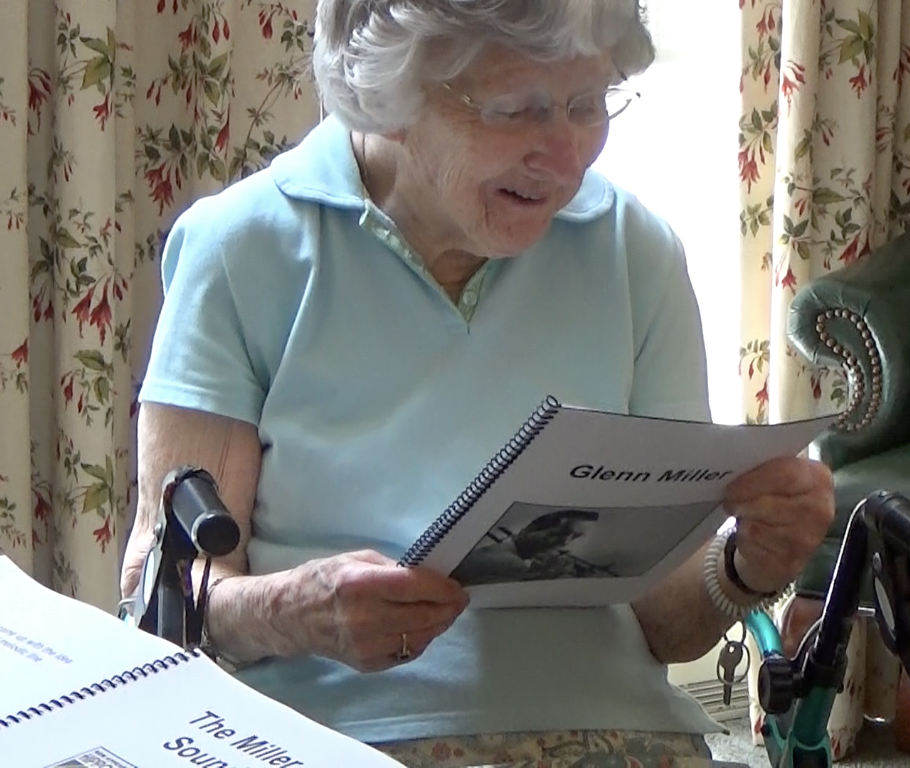
They are not interchangeable.
An individual may need more time to travel through a paragraph. They may benefit from fewer competing stimuli. They may require clearer visual structure.
None of this implies diminished intellectual capacity.
Research on typical cognitive aging consistently demonstrates that while processing speed may change, vocabulary, accumulated knowledge, and reflective ability often remain intact. The intellectual life does not disappear simply because processing slows.
What frequently disappears is access.
“The issue is rarely a loss of intellect. More often, it is overload.”
When text is visually dense — small font, compressed spacing, long uninterrupted chapters — the brain expends significant effort navigating the page before engaging the ideas. Mental energy is directed toward format management rather than meaning making.
Fatigue increases. Withdrawal follows.
This is often labeled diminished attention.
However, when formatting changes, engagement frequently returns.
Larger fonts reduce strain. Generous spacing allows visual rest. Shorter passages create natural cognitive pauses. Clear visual organization reduces unnecessary cognitive load.
These are not aesthetic preferences.
They are access decisions.
There remains a common assumption that shorter passages signal simplified thinking. In practice, shorter passages protect stamina. They allow completion.
And completion matters.
“Completion reinforces competence. Structure protects dignity.”
Finishing a booklet or essay — even a brief one — can provide measurable psychological benefit. It counters emerging narratives of decline and reinforces continuity of thought.
The closed book becomes evidence: The material was followed. It was understood. Engagement was sustained.

Such experiences carry weight beyond the page.
Micro-reading — a poem, a short essay, a carefully structured excerpt — follows similar principles. Five or ten focused minutes, thoughtfully designed, can support meaningful engagement without overwhelming cognitive stamina.
This is not diminished reading. It is structured, dignified reading. It preserves the integrity of adult literature while aligning with cognitive accessibility. Engagement, particularly for individuals living with dementia, may not resemble prolonged silent concentration. It may appear as a shared memory prompted by a sentence. A deliberate rereading. Continued discussion after the material is closed.
These are not indicators of decline.
They are indicators of intellectual presence.
The more productive question may not be: “Can they focus?”
But rather: “Have conditions been created that allow attention to emerge?”
Design decisions determine access.
When structure aligns with processing pace, older adults — including those living with dementia — frequently demonstrate sustained, meaningful engagement.
Not because ideas were simplified.
But because unnecessary barriers were removed.
Related Articles
Types of Reading Material: Thinking Beyond Traditional Books – https://www.reading2connect.com/reading-while-living-with-dementia
Independent, Peer-Led Reading: Rethinking Facilitation – https://www.reading2connect.com/reading-while-living-with-dementia
Why Formatting Matters in Age/Dementia-Accessible Books – https://www.reading2connect.com/reading-while-living-with-dementia
About the Author
Susan Ostrowski is the co-founder of Reading2Connect®. She designs age/dementia-accessible books grounded in the integrity of adult literature and provides specialized training that supports independent, peer-led engagement in senior living communities, libraries, and community settings. Her work focuses on aligning design with cognitive accessibility while preserving intellectual engagement.


Comments